

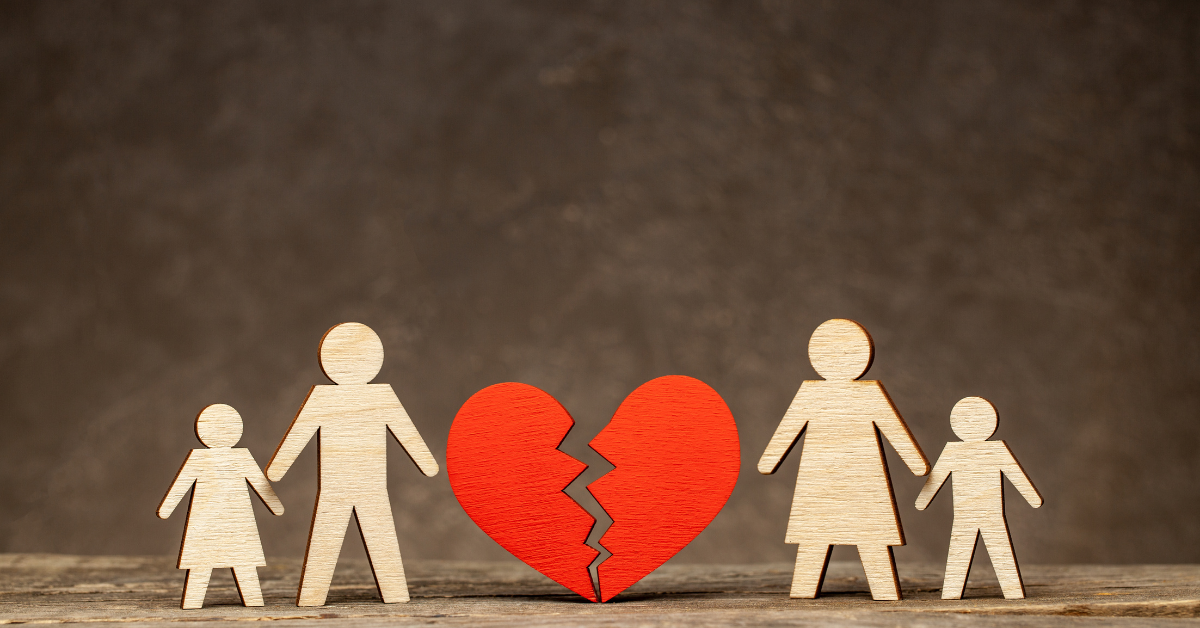
The process of divorce can show different psychological effects on children. The severity of these effects varies according to the age of the child, the way the child is informed about this issue, the communication within the family, the attitude of the parents, the mental state of the parents, the quality time spent with the child, and the conflicts experienced during marriage. Divorce can be a traumatic experience for children. The child may feel that he has lost the parent with whom he will no longer live. Along with these feelings, the anxiety of losing the other parent may begin. In addition, while experiencing the divorce process, psychological problems and psychiatric disorders may appear in the child. The emotional process experienced by the child may trigger disorders such as anxiety disorder, depression or tic disorder. In addition to these, adjustment disorders, developmental disorders, decrease in school success and distraction can be observed in the child.
The fact that parents do not reflect the problems on the child until the decision to divorce is clarified plays a major role in children’s ability to overcome this process with less psychological damage. It is a common situation that parents change their minds many times during marriage, break up and reconcile. When this uncertain and tense situation is reflected on the child, serious anxieties may occur in the child. Especially individuals in adolescence experience intense emotional and physical processes. This emotional and physical change and development is quite challenging for them. They are busy with issues such as finding themselves, individuation, searching for the meaning of life. While in these complex thoughts and feelings, the adolescent who receives the news of divorce may start to give a different (negative) direction to his life. At this point, it would be right to seek help from an expert.
The difficult experiences of the parents during and after the divorce are involuntarily reflected on the child. Parents are often unaware of the harm they have done to children during this time, and it may be too late when they gain the motivation to return to their lives and realize this situation.
How Should Divorce Be Explained to Children?
First of all, as parents, the decision to divorce must be made clearly. It would be right to have this conversation as parents and children in a quiet, calm home environment. Parents should plan the speech in advance and convey it in harmony. All details should be explained clearly, clearly and warmly in language appropriate for the child’s age. It should be discussed that this situation is not the fault of the child, that your love, affection and interest for him will never change, with whom and where the child will live, on which days, how and where he will see the other parent.
The child’s age and emotional maturity level are very important when talking about divorce. This situation should be explained more concretely to a 3-4 year old child. For example; “We will no longer live in the same house. You will stay with me 4 days a week and your father 3 days a week.” If there is more than one child in the family and their ages are different from each other, this conversation can be planned separately. It is of great importance to receive support from child-adolescent psychologists and psychiatrists before and after this speech. However, it is the parents who should have this conversation.
Posted by;
Psk. Lara BALKANER SUNGER