

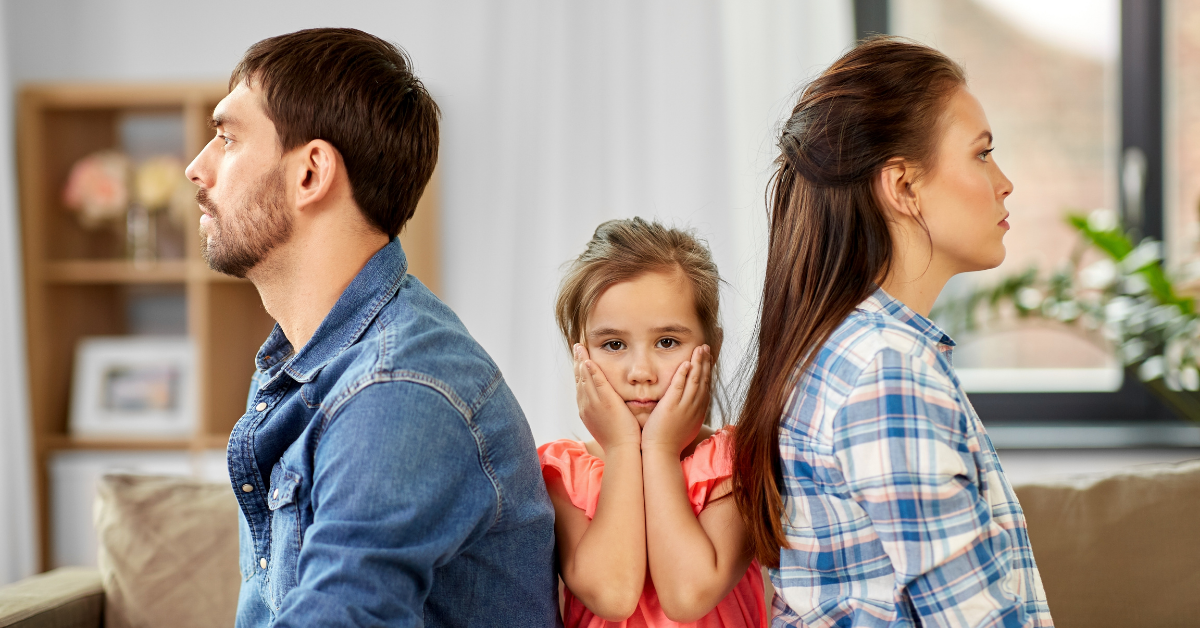
One of the most common issues that parents want to receive counseling or therapy services for their children is the divorce process. Divorce, which is an undesirable situation in parental relations, can lead to different effects for each family structure. Depending on the attitudes and behaviors of the parents, it can be considered normal, on the contrary, it can turn into a traumatic situation.
“I am enduring this marriage for my child”
“My child cannot bear this sadness, I continue my marriage for his sake”
We often hear phrases like
First of all, it should be agreed on; It is not possible to protect the mental health of the child in a house where one or both parents are unhappy, exhausted, and frustrated. Especially children aged 0-6; By quietly observing communication problems at home and possible physical or psychological violence, they ground their male-female relationships according to this pattern.
Not every problem in the family will result in resentment, separation or divorce. However, the chronicity of communication problems and their becoming a vicious circle will inevitably lead to negative effects on children.
It may be necessary to analyze the possible damages that the child may receive from the divorce process and the damages brought about by the troubles in that house from an outside perspective. The problems that arise in the case of divorce may result in the child’s healthy adaptation to the new situation if the adaptation process is well managed by the parents. However, it is possible to encounter more intense and long-term pathologies especially in children who grow up with chronic problems at home. For this reason, in cases where the problems between the spouses cannot be overcome, it is recommended that the person first consult a specialist for himself. Individual therapy creates the opportunity for the person to get to know himself better, to determine his wishes and expectations, and to acquire different perspectives.
In the dialogues between the mother and father, citing divorce as a relational threat or constantly talking about a possible separation may cause the child to develop an anxious personality pattern in fear of losing it. When the parents agree on the divorce, they should explain the situation to the children when there is no uncertainty.
Divorce and post-divorce situations should be clearly informed. Care should be taken not to spoil the concept of family as much as possible. It should be noted that people have only given up on the role of husband and wife, but the role of mother-father will continue for life.
In this process, feelings such as disappointment or anger about one of the spouses should not be shared with the child as much as possible. Exposure of the child to negative statements about his/her mother or father may damage the sense of trust, and the child may blame himself/herself. Children should be encouraged to share their feelings. Depending on the age group, behaviors such as crying and stubbornness can be observed.
In case of divorce, children may have a tendency to repair the broken relationship of their parents. Being clear about these expectations helps the child’s acceptance process in the long run.
Like children, parents can also show behavioral changes in this process. They may unwittingly display more giving or more flexible behaviors towards the child. In order for children to normalize the divorce and post-divorce process, it is important to preserve their existing order as much as possible. Parental attitudes and boundaries acquired before separation should be continued in the same way. When possible life changes are transferred to the child beforehand, the probability of completing the grieving process in a healthy way increases.
Posted by;
Psk. Deniz Tan Kumcuoglu