

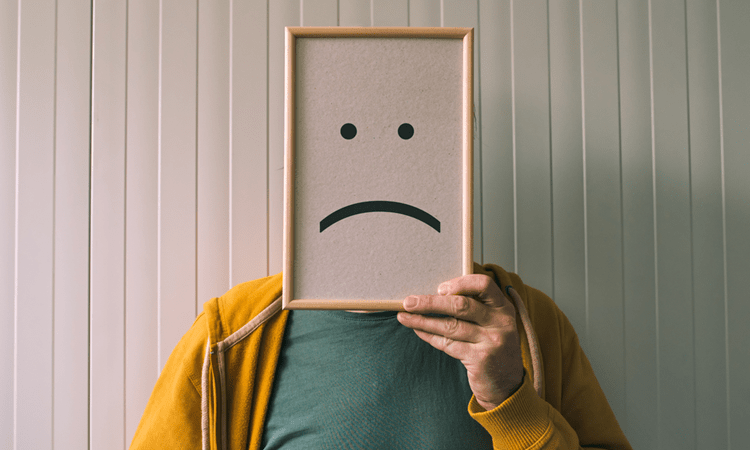
Depression’s low mood, reluctance, not enjoying life, introversion, crying, irritability can often be easily noticed and may lead you to consult a psychiatrist with the thought of “Am I getting depressed?” However, depressive illnesses may not always begin to manifest itself by playing the drums and horns.
That is to say, depression is actually a syndrome that progresses with disruptions in separate mechanisms belonging to many different organs in the body, rather than being a disease of only a particular organ.
For example, with depression, disorders in the secretion of cortisol, which is known as the stress hormone in our body, and disorders in the levels of the hormone called melatonin, which plays an important role in the sleep-wake system and related bodily events such as regeneration and reproduction, may develop. In depression, an increase in the amount of cortisol secreted during the day or a decrease in the levels of melatonin secreted in the dark can negatively affect many body functions. The most important of these is the sleep-wake cycle. Patients with depression may experience a shift or delay in the sleep-wake cycle. The person begins to have difficulties falling asleep at night or wakes up very difficult in the morning, the transition to wakefulness becomes difficult.
We may not have a noticeable demoralization, reluctance, or intolerance, but sleep disorders that begin insidiously, that is, difficulties in falling asleep or waking up, can be the first signs of a depressive illness. For this reason, if you have started to have problems with falling asleep or getting out of sleep, although you always go to bed at the same time and wake up at the same time, I recommend that you consult your psychiatrist to be evaluated in terms of depressive disorders.